

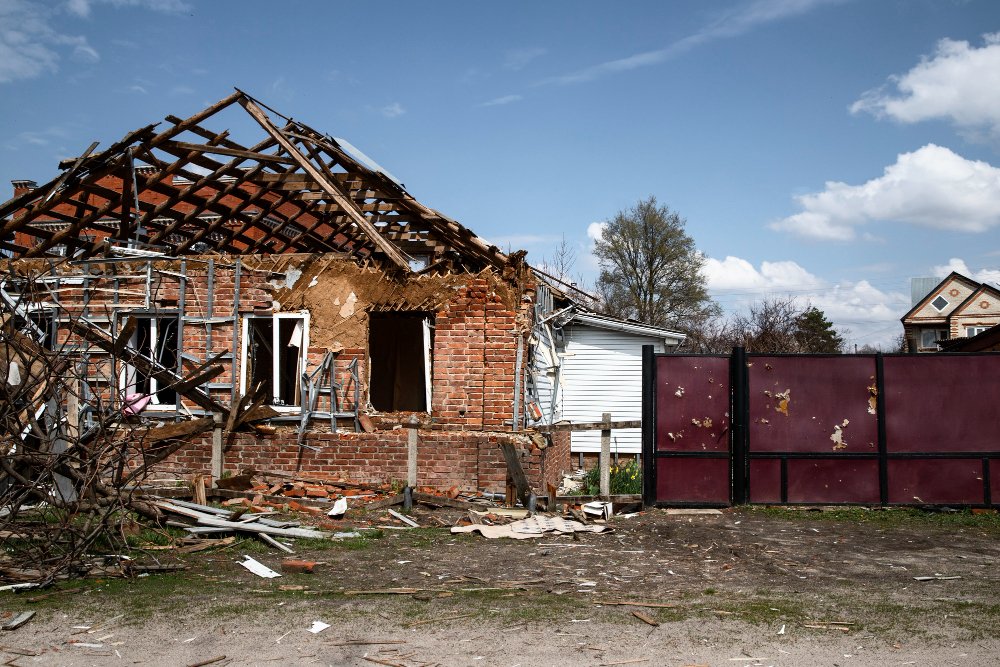
Across cities, villages, and rural communities, houses that were once full of life are slowly falling into disrepair. Some stand behind overgrown gardens, while others sit empty on quiet streets with boarded-up windows and damaged roofs. From the outside, these properties may look forgotten, but there is often a complicated story behind why nobody lives there anymore.
The reasons houses become abandoned vary from one location to another. Financial difficulties, family disputes, migration, expensive repairs, and changes in local economies can all contribute to the problem. In some cases, a property remains empty for years even when people are searching for affordable housing nearby.
Understanding why houses are abandoned can help communities protect valuable properties, identify renovation opportunities, and prevent buildings from deteriorating beyond repair.
Financial Problems Can Force Owners to Walk Away
One of the most common reasons a house becomes abandoned is financial hardship. Owning a property involves more than making a mortgage payment or purchasing the building. Homeowners must also pay for maintenance, insurance where applicable, taxes, utilities, and unexpected repairs.
When someone’s financial situation changes, these responsibilities can become difficult to manage.
For example, a homeowner who loses a job may struggle to keep up with housing expenses. If the property also needs a new roof, plumbing repairs, or structural improvements, the total cost may become overwhelming.
In some situations, owners leave because they can no longer afford to maintain the house. Others may lose the property through foreclosure or legal proceedings, after which it can remain vacant while ownership is resolved.
Financial problems do not always mean a house will be abandoned permanently. Some properties are eventually sold, repaired, or transferred to new owners. However, delays can allow a manageable maintenance problem to develop into a much larger one.
Inheritance Disputes Can Leave Properties Empty
Family inheritance is another reason houses may remain unoccupied for long periods.
When a property owner passes away, ownership may pass to children, relatives, or other legal heirs. If the heirs disagree about whether to sell, rent, or maintain the property, decisions can become complicated.
One family member may want to sell the house immediately, while another may wish to preserve it because of sentimental value. Others may live far away and have little interest in paying for repairs.
Legal documentation can create additional challenges, particularly when ownership records are incomplete or several people have claims to the same property.
During these disagreements, nobody may take responsibility for maintaining the building. Windows break, gardens become overgrown, and water damage gradually affects the interior.
In many cases, resolving ownership issues and establishing clear responsibility can be the first steps toward bringing an abandoned property back into use.
People Move Away for Better Opportunities
Migration can also leave houses empty.
People frequently relocate to find employment, pursue education, join family members, or improve their living conditions. When an entire household moves to another city or country, its previous home may be left behind.
Sometimes owners intend to return but change their plans. In other cases, they keep the property while deciding what to do with it.
This situation can be particularly noticeable in rural communities where younger residents move to larger cities for work. As populations change, some older houses may no longer have anyone willing or able to maintain them.
Urban areas can experience similar patterns when neighborhoods lose jobs, public services, or economic opportunities.
A vacant house is not necessarily unwanted. Its owner may simply be waiting for the right time to sell, rent, or return.
The Cost of Repairs Can Be Higher Than Expected
An old house may look attractive from the outside, but repairing it can require a substantial investment.
Roofs, foundations, plumbing systems, electrical wiring, windows, and drainage systems all have limited lifespans. If several components fail at the same time, renovation costs can quickly increase.
Water damage is particularly problematic. A small roof leak may eventually damage ceilings, walls, insulation, and wooden structures. If moisture remains inside the building for years, mold and structural deterioration may develop.
Some older properties also require specialized work to preserve their original architectural features or meet modern building regulations.
When the expected repair bill exceeds what the property is worth, an owner may decide not to invest in it. If the property cannot be sold easily, it may remain empty for years.
A professional inspection can help determine whether renovation is realistic before a property reaches this stage.
Legal Problems Can Prevent a House From Being Sold
Not every abandoned house is available for purchase.
Some properties are tied up in court cases, ownership disputes, unpaid taxes, or unresolved estate matters. Others may have incomplete documentation that makes a legal sale difficult.
Even when a potential buyer is interested, these complications can delay the transaction.
In certain cases, a building may also be subject to planning restrictions or local regulations that limit the changes an owner can make.
Until these issues are resolved, the property may remain vacant despite having potential value.
This is one reason buyers should never assume that an empty house is ownerless. Checking official ownership records and obtaining appropriate legal advice are essential before attempting to purchase or renovate a property.
Changing Neighborhoods Can Create Empty Streets
A house does not always become abandoned because of a problem with the building itself. Sometimes the surrounding community changes.
When a major employer closes, residents may leave in search of work. If local shops, schools, transportation services, or healthcare facilities also disappear, the area may become less attractive to new residents.
As demand for housing falls, some properties become difficult to sell or rent.
This can create a cycle in which vacant houses receive less maintenance, neighboring properties lose value, and additional residents decide to move elsewhere.
However, neighborhood decline is not always permanent. New businesses, infrastructure improvements, public investment, or housing renovation projects can sometimes attract residents again.
The future of an abandoned property may therefore depend as much on the surrounding community as on the condition of the building itself.
Natural Disasters Can Leave Homes Uninhabitable
Floods, fires, earthquakes, severe storms, and other disasters can force residents to leave their homes.
Some families relocate temporarily while repairs are completed. Others may never return because the damage is too extensive or rebuilding is financially impossible.
In disaster-affected areas, entire groups of houses may remain empty while owners deal with insurance claims, financial losses, rebuilding permits, or uncertainty about future safety.
Even a house that appears intact from the outside may have hidden structural damage following a flood or earthquake.
In such circumstances, professional assessments are important before anyone considers returning to the property.
Community recovery programs, financial assistance, and effective rebuilding plans can help prevent damaged homes from becoming permanently abandoned.
Why Don’t Owners Simply Sell Empty Houses?
It may seem logical that an owner would sell an unused property rather than allow it to deteriorate. In practice, selling is not always straightforward.
The owner may expect property prices to rise. They may have emotional attachments to the house or believe that a family member will eventually use it.
Other owners may struggle to find buyers because the property needs extensive repairs or is located in an area with limited demand.
Legal disputes, unclear documentation, and the cost of preparing a property for sale can create additional obstacles.
Some owners also live far away and find it difficult to manage repairs, inspections, and potential buyers.
Although leaving a house empty may appear to require little effort, neglect can reduce its value over time. Regular inspections and basic maintenance can help owners preserve their options while deciding what to do with the property.
Can Abandoned Houses Help Solve Housing Problems?
In some areas, abandoned houses represent an opportunity to increase the supply of usable housing without constructing every building from scratch.
A suitable property may be renovated and converted into a family home, rental accommodation, or another permitted use.
However, the existence of empty houses does not automatically mean they can solve local housing shortages. Some properties are structurally unsafe, legally inaccessible, too expensive to renovate, or located far from jobs and essential services.
Successful renovation projects require more than a low purchase price. They need clear ownership, realistic budgets, suitable infrastructure, and enough demand to justify the investment.
Local authorities, property owners, developers, and community organizations can sometimes work together to identify viable projects and encourage responsible redevelopment.
When a neglected building can be safely restored, it may benefit both its owner and the surrounding neighborhood.
How Communities Can Prevent Houses From Being Forgotten
Preventing abandonment is often easier than repairing a property after years of neglect.
Homeowners can help by addressing maintenance problems early, arranging regular inspections, and making plans for properties that will remain vacant for an extended period.
Families dealing with inherited properties can benefit from resolving ownership questions and agreeing on a practical maintenance plan.
Communities can also encourage responsible redevelopment by improving local infrastructure, supporting neighborhood businesses, and identifying properties that may qualify for restoration programs.
In some cases, a simple change in ownership or a modest renovation may be enough to bring a neglected house back into use.
The most effective solutions depend on the underlying cause. A property affected by an inheritance dispute requires a different approach from one damaged by a natural disaster or located in a declining town.
Conclusion
Houses become abandoned for many reasons, including financial hardship, inheritance disputes, migration, expensive repairs, legal complications, and changes in local communities. Sometimes a property is left empty intentionally, while in other cases its owners face obstacles that prevent them from selling, maintaining, or restoring it.
Although abandoned houses can represent serious challenges, some also offer opportunities for renovation and community renewal. The key is understanding why a property became vacant before deciding what should happen next.
With clear ownership, careful planning, and realistic investment, certain forgotten houses can become useful homes again. Others may require extensive work or may not be practical to restore. Either way, every abandoned property has its own circumstances, and those details matter more than its appearance alone.
Frequently Asked Questions (FAQs)
1. What is the most common reason houses become abandoned?
There is no single reason that applies everywhere. Financial difficulties, expensive maintenance, inheritance disputes, relocation, legal problems, and declining local economies can all contribute to residential abandonment.
2. Can someone claim ownership of an abandoned house?
An empty house generally still belongs to its legal owner or the relevant estate. Rules concerning abandoned property and adverse possession vary by jurisdiction. Anyone interested in a property should check official ownership records and obtain local legal advice.
3. Why do owners leave houses empty instead of selling them?
Owners may have emotional attachments, expect future price increases, face legal complications, or struggle to find buyers. Some properties also require repairs that make selling more difficult.
4. Are abandoned houses good investment opportunities?
Some can be, particularly when ownership is clear, the location has demand, and renovation costs are manageable. However, structural damage, legal disputes, unpaid obligations, and expensive repairs can make an apparently cheap property a poor investment.
5. What happens to a house when nobody maintains it?
Over time, moisture, weather, pests, vegetation, and temperature changes can damage the roof, walls, windows, plumbing, and interior. The speed of deterioration depends on the building’s construction, climate, and existing condition.
6. Can abandoned houses be renovated and sold?
Yes. If the property can be legally acquired and safely restored, it may be renovated for resale, rental, or personal use. A professional inspection and realistic financial assessment are important before beginning work.
7. Do abandoned houses affect neighboring properties?
They can. Poorly maintained buildings may attract pests, create safety concerns, reduce the visual appeal of a street, and sometimes affect nearby property values. The actual impact depends on the location and the property’s condition.
8. How can I find abandoned houses that are available for purchase?
Look for properties advertised by licensed real estate agents, public property auctions, estate sales, and official government programs where applicable. Always verify the legal owner, check property documents, inspect the building, and confirm any outstanding obligations before making an offer.