

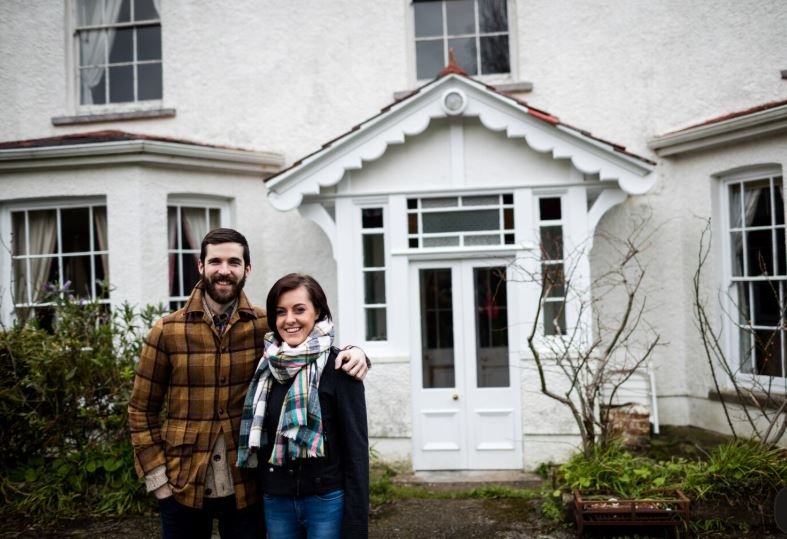
An abandoned house may look like nothing more than a forgotten building, with broken windows, overgrown gardens, damaged walls, and rooms covered in dust. For most people, such properties are places to avoid. However, for buyers with imagination and a clear renovation plan, an abandoned house can offer an opportunity to create something truly special.
Across different parts of the world, old and neglected homes are attracting people who want affordable property, unique architecture, or a chance to restore a piece of history. Although turning a neglected building into a comfortable home takes time, money, and effort, the final result can be worth it under the right circumstances.
Why Are Abandoned Houses Attractive to Buyers?
One of the main reasons people consider abandoned properties is their potential price. Some neglected houses are listed for less than similar properties in good condition because they require extensive repairs. This can make them attractive to buyers who cannot afford a fully renovated home in the same area.
Location is another important factor. An abandoned property may sit in a desirable neighborhood, near schools, shops, public transportation, or workplaces. Even if the building itself needs considerable attention, its location may make the investment appealing.
Older houses can also have architectural features that are difficult to find in modern construction. High ceilings, original wooden doors, decorative fireplaces, large windows, and traditional brickwork can give a property a distinctive character.
For buyers who appreciate these details, restoring an old house can be more appealing than purchasing a newly built property with a standard design.
What Makes an Abandoned House Worth Restoring?
Not every abandoned house is a good investment. Before purchasing one, buyers need to determine whether the structure is sound and whether the cost of repairs is reasonable.
The condition of the foundation is especially important. Large cracks, uneven floors, or signs of movement may indicate serious structural problems. Roof damage can also allow rainwater to enter the building, leading to dampness, mold, and deterioration.
Electrical wiring, plumbing, heating systems, and drainage may need complete replacement if they have not been maintained for years. These repairs can quickly increase the overall renovation budget.
A professional inspection can help identify problems that are difficult to notice during an ordinary viewing. Buyers should also investigate the property’s legal ownership, outstanding taxes, building restrictions, and any permits required for renovation.
A house with a manageable repair list may be an excellent opportunity. A property with major structural damage, complicated ownership issues, or extremely expensive restoration requirements may be better avoided.
How Much Does It Cost to Renovate an Abandoned House?
The cost depends on several factors, including the property’s size, location, age, condition, and the quality of materials selected.
A house that needs fresh paint, new flooring, minor plumbing repairs, and updated fixtures may be relatively inexpensive to improve. A building that requires a new roof, foundation repairs, replacement wiring, new plumbing, and extensive structural work can cost substantially more.
Buyers should calculate the purchase price and renovation expenses together rather than judging the property by its initial price alone.
For example, imagine a buyer finds a neglected house for $60,000. The estimated renovation cost is $35,000, while inspections, permits, temporary accommodation, and other expenses add another $10,000. The total investment would reach approximately $105,000.
If similar renovated houses in the neighborhood sell for around $120,000, the project might be financially attractive. However, unexpected repairs or a changing property market could reduce the potential benefit.
These figures are only an illustration, not a market estimate. Actual costs and property values vary considerably by location.
It is also wise to keep a contingency fund for unexpected problems. Older buildings frequently contain hidden defects that only become visible after renovation work begins.
Turning an Old Building Into a Modern Home
Restoring an abandoned house does not necessarily mean removing everything that makes it unique. In many cases, the most successful renovations combine original features with modern comfort.
For example, original wooden doors or exposed brick walls can be preserved while the kitchen and bathrooms are redesigned. Large windows can help bring natural light into dark rooms, while improved insulation can make the home more comfortable throughout the year.
An old garden can also become a valuable part of the transformation. Clearing overgrown vegetation, repairing pathways, and planting suitable greenery can improve the property’s appearance without requiring an elaborate landscaping project.
Inside the house, a practical layout is often more important than expensive decoration. Buyers should prioritize safe electrical systems, reliable plumbing, ventilation, weather protection, and comfortable living spaces before spending money on cosmetic upgrades.
The goal is to create a home that looks attractive but also functions well for everyday life.
Can Restoring an Abandoned House Increase Its Value?
Renovation can increase a property’s value, especially when improvements address serious defects and make the home more appealing to potential buyers. However, the amount of added value depends on local demand, the quality of the work, and the price paid for the property.
A renovated house in a popular neighborhood may attract strong interest, while a beautifully restored property in an area with limited demand may take longer to sell.
Over-improving a property can also create financial problems. Installing luxury features that are uncommon in the surrounding neighborhood may not produce enough additional value to justify the expense.
Before beginning a major project, buyers should research recent sales of comparable homes. A local real estate professional can provide useful information about neighborhood prices, buyer preferences, and the features that tend to influence resale value.
People planning to live in the house for many years may place greater importance on comfort and personal preferences than on immediate resale profits. Those purchasing primarily as an investment should be more cautious about costs and expected returns.
The Challenges of Restoring a Forgotten Property
Although the idea of transforming an abandoned house sounds exciting, the process can be demanding.
Renovation projects may take months, particularly when contractors are difficult to schedule or materials are unavailable. Unexpected structural problems can delay work and increase expenses.
Some properties may also contain hazardous materials, damaged wells, unsafe electrical installations, or evidence of pests. Depending on the building’s age and location, professional testing or specialist removal services may be necessary.
Legal restrictions can create additional challenges. Historic buildings may have rules governing changes to their appearance, while properties in certain areas may require specific planning approvals.
Buyers should also consider whether they have the time and patience to manage a complicated project. A low purchase price does not automatically make a property suitable for someone who needs a home immediately.
Is an Abandoned House the Right Choice for You?
The best candidates for abandoned-house projects are usually buyers who understand the risks, have a realistic budget, and are willing to make decisions carefully.
People with renovation experience may feel comfortable managing contractors and comparing repair estimates. First-time buyers can also succeed, but they may benefit from working with qualified inspectors, architects, builders, and real estate professionals.
Before making an offer, buyers should establish a maximum budget, inspect the property thoroughly, confirm ownership, and estimate the total cost of making the house safe and livable.
It is equally important to have an alternative plan if repairs prove more expensive than expected.
An abandoned house can become a dream home, but success depends on more than imagination. Careful planning, realistic financial expectations, and a clear understanding of the property’s condition can make the difference between a rewarding transformation and an expensive mistake.
Conclusion
An abandoned house may look beyond repair at first glance, but some neglected properties have the potential to become beautiful, comfortable homes. Their lower purchase prices, distinctive architectural features, and desirable locations can make them worth considering for the right buyer.
However, every property comes with its own challenges. Structural damage, renovation expenses, legal complications, and unexpected delays can turn an apparently affordable purchase into a costly project.
The smartest approach is to look beyond the asking price and evaluate the building’s true condition and long-term potential. With proper inspections, realistic budgeting, and professional guidance, buyers may be able to transform a forgotten property into a home that reflects their personality and meets their needs.
Frequently Asked Questions
1. Is buying an abandoned house a good idea?
It can be a good idea if the purchase price, renovation costs, and potential property value make financial sense. Buyers should arrange a professional inspection and investigate ownership and legal issues before committing.
2. Why are abandoned houses sometimes cheaper than other properties?
They may require major repairs, have outdated facilities, or present legal and maintenance challenges. These issues can reduce buyer interest and affect the asking price.
3. What should I inspect before buying an abandoned house?
Pay particular attention to the foundation, roof, walls, plumbing, electrical systems, drainage, and signs of water damage. A qualified building inspector can help identify hidden problems.
4. Can I renovate an abandoned house myself?
Some cosmetic tasks, such as painting or basic landscaping, may be manageable for experienced homeowners. Structural repairs, electrical work, plumbing, and hazardous-material removal may require qualified professionals and appropriate permits.
5. How long does it take to restore an abandoned house?
The timeline depends on the property’s condition and the scope of the renovation. Minor improvements may take weeks, while extensive structural work and complete interior renovations can take several months or longer.
6. Can renovating an abandoned house be profitable?
Yes, in some circumstances, but profit is not guaranteed. The purchase price, repair expenses, local property demand, financing costs, and eventual selling price all affect the outcome.
7. Should I buy an abandoned house for personal use or investment?
That depends on your goals and financial situation. Buyers looking for a long-term home may prioritize comfort and location, while investors should carefully calculate costs, resale potential, and the risks of unexpected repairs.