

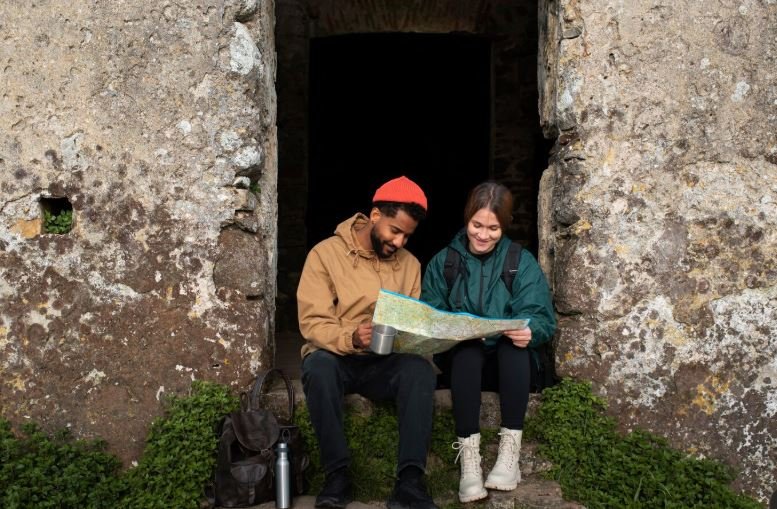
An abandoned property can reveal fascinating details about the past. An old house hidden behind overgrown trees, a forgotten farmhouse beside an empty road, or a former industrial building with broken windows may appear to have little value today. Yet these places can preserve traces of earlier generations, changing communities, and lives that once revolved around them.
Some abandoned properties have been empty for only a few years, while others have remained untouched for decades. Their condition often raises questions about who owned them, why they were left behind, and what happened to the people who once used them.
Exploring the history of these places is not simply about discovering old buildings. It is also about understanding how families, businesses, and entire communities change over time.
Why Abandoned Properties Attract So Much Interest
Forgotten buildings appeal to people for several reasons. Some are interested in architecture, while others enjoy researching local history or photographing structures that are slowly being reclaimed by nature.
An abandoned property can also offer a different perspective on an area’s development. A building that once served an important purpose may now stand empty because the surrounding community has changed.
For example, an old farmhouse may reflect a period when agriculture supported a large local population. A former factory may tell the story of an industry that once provided employment for hundreds of people. An empty school building may remind residents of a neighborhood that has since lost many of its families.
These places are interesting because they connect the present with an earlier period that might otherwise be forgotten.
However, not every abandoned property has a dramatic history. Sometimes a building was simply sold, neglected, or left unused after its original purpose disappeared.
The Clues Hidden in a Building’s Architecture
One of the first things researchers examine is the architecture of an abandoned property.
The materials used in construction, the shape of the windows, the roof design, and the arrangement of rooms can provide clues about when and why a building was constructed.
An older farmhouse might feature thick walls, a simple floor plan, and a large kitchen designed for family life. A former commercial building may have wide entrances and open interior spaces intended for customers or workers.
Decorative details can also reveal something about the period in which a house was built. Wooden moldings, traditional fireplaces, patterned tiles, and distinctive staircases may reflect architectural styles that were popular in earlier generations.
Nevertheless, architectural features should be treated as clues rather than definitive proof. Buildings can be renovated several times, and additions may have been constructed decades after the original structure.
Historical photographs, building permits, and local records can help confirm what the physical evidence suggests.
What Old Photographs and Documents Can Reveal
Sometimes the most useful information about an abandoned property comes from records rather than the building itself.
Historical photographs can show how a house looked before its roof deteriorated or its garden became overgrown. Old maps may reveal roads, neighboring buildings, and changes in the surrounding landscape.
Newspaper archives can provide information about local businesses, public events, property sales, or significant developments in a community.
Depending on the location, property records may also help establish when ownership changed and whether the building was used for residential, agricultural, or commercial purposes.
These sources become particularly valuable when a building has undergone major changes over the years.
For example, a structure that appears to have been a private residence might once have served as a shop or a small business. Without historical evidence, its original purpose may be difficult to determine from its current appearance alone.
Researchers should compare information from multiple sources whenever possible. This helps reduce the risk of confusing different properties or repeating inaccurate stories.
Why Some Buildings Become Forgotten
There is no single explanation for why properties are abandoned. Their histories often reflect a combination of personal decisions, economic changes, and practical challenges.
Financial difficulties
Owners may struggle to afford repairs, taxes, insurance, or other property expenses. If the building needs extensive work, it may remain empty while the owner considers the available options.
Family and inheritance issues
When a property passes to several heirs, disagreements or incomplete paperwork can delay decisions about selling or renovating it.
Economic decline
A town that loses a major employer may experience population decline. As residents move away, some homes and commercial buildings may become difficult to sell or rent.
Relocation
Owners may move to another city or country and leave their former property unused while deciding whether to sell it or return in the future.
Structural damage
Flooding, fires, severe storms, and long-term neglect can make a building unsafe or too expensive to restore.
Understanding the original cause of abandonment is important because it determines whether the property can realistically be brought back into use.
Nature Slowly Transforms Forgotten Places
When buildings are left without maintenance, the surrounding environment gradually changes their appearance.
Grass grows across pathways, shrubs spread around foundations, and tree branches may extend over roofs. Rainwater can enter through damaged windows, while moisture affects wooden structures and interior walls.
In colder climates, repeated freezing and thawing can worsen cracks in masonry and other building materials. In warmer or humid regions, persistent moisture may encourage mold and accelerate deterioration.
Plants can also grow through damaged pavement and around fences, creating the impression that nature is reclaiming the property.
Although these changes can make abandoned places visually striking, vegetation does not necessarily mean that a building is structurally sound or environmentally safe.
Roots may damage foundations, concealed holes can create hazards, and weakened structures may collapse without warning.
Photographs of these transformations can be valuable for documenting how neglected buildings change over time, but entering damaged structures requires appropriate authorization and safety precautions.
The Human Stories Behind Forgotten Buildings
An abandoned house often becomes more meaningful when researchers discover information about the people who once lived there.
A property may have been home to several generations of one family. A small commercial building might have supported a local business for decades. A former school could have educated children from a community that has since moved elsewhere.
Family photographs, historical newspapers, public documents, and interviews with former residents may help reconstruct these stories.
However, it is important to distinguish verified information from speculation.
A room containing old furniture does not prove that its occupants left suddenly. A damaged door does not necessarily indicate a crime, and an empty building does not automatically have a tragic history.
Responsible historical research focuses on evidence and avoids making unsupported claims about former occupants.
Personal documents and photographs should also be handled respectfully, particularly when they contain private information about people who may still be alive or have surviving relatives.
Can Abandoned Properties Become Valuable Again?
Some abandoned buildings can be restored and given a new purpose.
An old house may become a family residence, a rental property, or a holiday home. A former commercial building might be converted into offices, studios, or another suitable space. In some cases, historically significant structures can be preserved as museums or community facilities.
The potential depends on several factors, including the building’s condition, location, legal status, and renovation costs.
Before investing in an abandoned property, a buyer should confirm ownership and review any restrictions affecting the building. A professional inspection can help identify structural damage, roof problems, outdated electrical systems, and other expensive repairs.
It is also important to consider whether the property has access to essential services and whether there is sufficient demand for its intended use.
A building that appears inexpensive may require extensive work before it can be occupied safely. Careful research can help determine whether restoration is a realistic investment or whether the property is better left untouched.
How to Research an Abandoned Property’s Past
People interested in the history of a forgotten building can begin with several practical steps.
Start with the location. Record the property’s general location and identify the surrounding neighborhood or community.
Search historical maps. Older maps may show how the area developed and whether the property existed in earlier decades.
Look for public records. Depending on local laws, property databases, planning documents, and building permits may provide useful information.
Check newspaper archives. Historical reporting may mention the original owner, the business that occupied the building, or important events associated with the location.
Contact local historians. Historical societies, libraries, and community groups may have photographs or records that are difficult to find elsewhere.
Compare your findings. Verify important details using more than one reliable source whenever possible.
Researchers should never assume that an empty-looking building is ownerless. They should also avoid entering private property without permission or removing objects that may belong to someone else.
Why Preserving Abandoned Properties Matters
Not every abandoned building can or should be restored, but documenting historically important properties can help preserve information about the past.
Old structures may demonstrate traditional construction methods, reflect local architectural styles, or provide evidence of how communities developed.
When a historically significant building is demolished or collapses, some of that physical evidence disappears permanently.
Photographs, architectural surveys, historical records, and oral histories can preserve details even when restoration is not possible.
In some communities, property owners and preservation groups work together to identify buildings that deserve protection. Other projects focus on finding practical new uses for neglected structures.
The most successful efforts balance historical value, public safety, financial resources, and the needs of the surrounding community.
Conclusion
Abandoned properties are more than empty buildings. They can provide clues about architecture, economic change, family history, and the development of entire communities.
Their stories may be discovered through physical details, historical photographs, public records, newspaper archives, and conversations with people familiar with the area. However, reliable research is essential because appearances alone rarely explain why a property was abandoned.
Some buildings can be restored and given a new purpose, while others may be too damaged or expensive to save. Even when restoration is impossible, documenting a property’s history can help preserve its place in the past.
By approaching forgotten places with curiosity, respect, and attention to evidence, we can learn more about the people and events that shaped the world around us.
Frequently Asked Questions (FAQs)
1. What is an abandoned property?
An abandoned property is a building or piece of land that appears to have been left unused or neglected. However, a vacant property may still have a legal owner, and its exact ownership status must be verified through appropriate records.
2. How can I find the history of an abandoned house?
You can investigate historical maps, newspaper archives, public property records, building permits, old photographs, and local historical societies. Comparing multiple sources can help establish a more accurate history.
3. Why are abandoned buildings often surrounded by overgrown plants?
Without regular gardening and maintenance, grass, shrubs, and trees grow naturally around buildings. Weather damage and broken fences can allow vegetation to spread into areas that were previously maintained.
4. Is it legal to explore abandoned properties?
The legality depends on ownership, local laws, and whether permission has been granted. Many abandoned-looking properties remain privately owned, and entering them without authorization may result in legal consequences.
5. Can abandoned properties be restored?
Yes, some properties can be renovated and reused as homes, businesses, or community facilities. Restoration depends on structural condition, ownership, local regulations, funding, and the cost of necessary repairs.
6. What dangers can be found inside abandoned buildings?
Potential hazards include unstable floors, collapsing ceilings, broken glass, exposed electrical wiring, mold, hazardous materials, and unsafe staircases. Damaged buildings should not be entered without appropriate authorization and safety assessment.
7. Why is it important to preserve the history of abandoned buildings?
Historic buildings can provide information about local architecture, industries, family life, and community development. Documenting their history helps preserve knowledge that might otherwise be lost when the structures deteriorate or disappear.
8. Are abandoned properties good real estate investments?
Some offer renovation opportunities, but others require expensive repairs or have unresolved legal issues. Buyers should verify ownership, obtain professional inspections, estimate renovation costs, and research the local market before investing.