

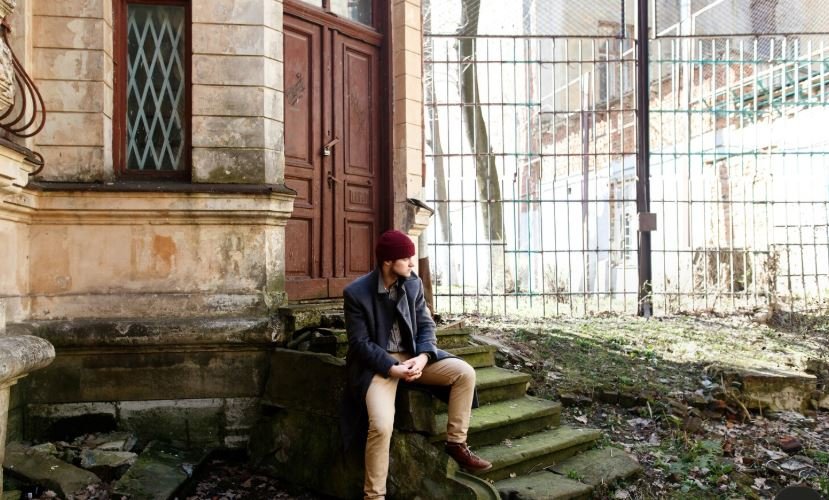
Across the United States, thousands of old houses stand empty, hidden behind overgrown trees, forgotten along rural roads, or surrounded by neighborhoods that have changed dramatically over the years. Some were once beautiful family homes, while others belonged to farmers, business owners, or people who hoped to build a better future.
Today, many of these properties show visible signs of neglect. Paint peels from wooden walls, porches begin to collapse, and weeds grow through cracked driveways. Yet behind these ordinary signs of aging, there may be fascinating stories about the people who once lived there.
Some houses became abandoned after their owners passed away. Others were left behind when industries closed, families moved away, or financial problems made maintaining a property impossible. A few have historical connections that are gradually disappearing as the buildings deteriorate.
The mystery surrounding these forgotten homes often comes from one simple question: what happened here?
The Old Farmhouses Left Behind in Rural America
In many parts of rural America, old farmhouses remain standing long after the surrounding land has changed ownership or purpose.
During earlier periods of American history, farming communities supported large numbers of families. Houses were built near fields, barns, wells, and small roads that connected residents to nearby towns.
Over time, agricultural practices changed. Machinery reduced the need for large numbers of workers, family farms were consolidated, and younger generations moved toward cities in search of different opportunities.
Some farmhouses continued to be used by new owners, but others gradually became empty.
A farmhouse that once contained a busy kitchen, a family dining table, and bedrooms for several children might now contain little more than damaged floorboards and fragments of its original furnishings.
These buildings can offer valuable clues about rural life. Their construction methods, remaining tools, and architectural features may reveal how people lived and worked in earlier generations.
However, the reasons behind an individual property’s abandonment usually require historical records or information from people familiar with the area.
Houses That Became Forgotten After Mining Towns Declined
Some of America’s most unusual abandoned homes can be found in communities that once depended heavily on mining or other industries.
When a mine closed or a major employer disappeared, local economies could suffer significant setbacks. Workers might relocate to find employment, businesses could close, and residential neighborhoods could lose much of their population.
A house that once stood near a busy workplace might suddenly become difficult to sell or rent.
In some former industrial communities, entire streets have experienced long periods of decline. Buildings that were once occupied by miners, mechanics, shopkeepers, and their families may now stand empty.
These houses are reminders of how closely some communities depended on a single industry.
Their stories also demonstrate that abandonment is not always caused by personal tragedy or mysterious circumstances. Sometimes, the economic foundation of an entire town changes, leaving buildings behind.
The Grand Homes That Lost Their Former Owners
Not every abandoned house is a small farmhouse or a modest residence. Some forgotten properties were once impressive homes with large rooms, decorative staircases, spacious gardens, and carefully designed architecture.
In earlier generations, wealthy families sometimes constructed large houses that required substantial resources to maintain. When family fortunes declined, ownership changed, or household needs shifted, these properties could become financial burdens.
Heating a large building, repairing its roof, maintaining its grounds, and preserving historic features can be expensive.
If a property cannot be sold or adapted for another purpose, it may remain vacant while its condition gradually worsens.
Some historic houses eventually become museums, event venues, or protected landmarks. Others are restored as private residences.
Unfortunately, buildings that lack sufficient funding or historical protection may deteriorate beyond practical repair.
Their appearance can make them seem mysterious, but their decline often reflects the financial and practical challenges of preserving large historic properties.
The Mystery of Personal Belongings Left Behind
One reason abandoned houses attract so much attention is the possibility of discovering objects from another period.
An old calendar hanging on a wall, a collection of books, a dusty piano, or a family photograph can make a room feel connected to the people who once used it.
Visitors may wonder whether the occupants left suddenly or whether the house was gradually emptied over time.
In reality, there can be many explanations.
A family may have moved away and left unwanted furniture behind. An estate may have remained unresolved after an owner’s death. A property might have been purchased for redevelopment, only for the project to be delayed.
Sometimes, objects remain simply because removing them would have cost more than their perceived value.
It is important to remember that personal belongings do not automatically reveal the full story of a house. Without reliable evidence, assumptions about the former occupants can easily become misleading.
Photographs and documents found inside private properties may also contain sensitive personal information. Responsible historical research should respect privacy and property rights.
Abandoned Houses With Fascinating Architecture
Older American homes can reflect the architectural styles popular during the periods in which they were constructed.
Some feature Victorian-era details, including decorative woodwork, elaborate rooflines, and distinctive windows. Others have simple farmhouse designs, traditional brick construction, or architectural elements associated with particular regions.
Even when a building has been neglected, some of its original features may survive.
A weathered staircase, carved wooden door, decorative fireplace, or unusual window arrangement can reveal the craftsmanship that went into its construction.
Architecture can also provide clues about a property’s age and original purpose. However, appearances alone cannot establish an exact construction date or identify the people who built it.
Historic maps, property records, newspaper archives, and local historical societies can help researchers establish a more accurate account.
For photographers and preservation enthusiasts, these details can make forgotten houses valuable subjects for documenting architectural history.
Why Some Forgotten Homes Are Difficult to Save
A house can have historical or visual appeal and still be extremely difficult to restore.
Years of exposure to rain, snow, wind, and changing temperatures may weaken the roof, damage foundations, and allow moisture to spread through the structure.
In older buildings, outdated electrical systems and plumbing can create additional challenges. Hidden structural problems may remain undetected until renovation work begins.
The cost of restoring original features can also be substantial, particularly when specialized materials or skilled tradespeople are required.
Ownership creates another potential obstacle. A property may belong to an estate, have several legal owners, or be subject to unresolved disputes.
Even when someone is interested in saving the house, these challenges can delay the project.
Successful preservation usually requires a clear legal path, a detailed structural assessment, sufficient funding, and a realistic plan for the building’s future use.
Could a Forgotten American Home Become Valuable Again?
Some abandoned houses eventually attract buyers who recognize their restoration potential.
A property with distinctive architecture, a desirable location, or historical significance may appeal to someone willing to undertake a major renovation.
Other buyers may be interested in purchasing the land rather than preserving the existing building.
However, an abandoned house should never be considered a bargain based on appearance alone.
Before purchasing a property, buyers need to verify ownership, review applicable restrictions, inspect the building, and estimate the cost of repairs. They should also investigate access to utilities, local building requirements, and any outstanding financial obligations.
A house offered at a low price may require extensive structural work before it can be occupied.
In some cases, demolition and rebuilding may be more practical than restoration, although local regulations or historic-preservation requirements can affect what is permitted.
The best opportunities are generally those in which the property’s legal status, condition, location, and potential uses have been carefully evaluated.
Exploring Forgotten Places Responsibly
Abandoned houses can be tempting destinations for photographers, history enthusiasts, and urban explorers. Their weathered appearances and uncertain histories create opportunities for compelling photographs and historical research.
However, an empty-looking property is not necessarily open to visitors.
Entering without permission may constitute trespassing, and the buildings themselves can contain serious hazards. Unstable floors, collapsing ceilings, broken glass, exposed nails, and hazardous materials are common concerns in neglected structures.
Some properties may also be protected historic sites or located on private land.
Anyone interested in documenting a forgotten house should seek permission from the owner or use information and photographs that are legally available. Professional inspections may be necessary before entering a damaged building.
Respectful exploration protects both visitors and the property while allowing its history to be documented responsibly.
Preserving the Stories of America’s Forgotten Homes
Every abandoned house has a different history, and some stories are easier to uncover than others.
Local newspapers may contain reports about former residents or changes in a neighborhood. Historical maps can show how roads and communities developed. Public records may provide information about ownership, while local historians can sometimes identify architectural details or explain the property’s significance.
Old photographs and family archives can also help establish how a house looked before it became vacant.
When these sources are combined carefully, they may reveal a much clearer picture of the building’s past.
Even when the complete story cannot be recovered, documenting a property’s visible features can help preserve information for future generations.
A forgotten home may eventually disappear, but photographs, records, and verified historical accounts can keep parts of its history alive.
Conclusion
America’s forgotten homes reflect many different chapters of the country’s history. Some were left behind when rural communities changed, others became empty after industries declined, and many simply became too expensive or complicated to maintain.
Their damaged walls and aging architecture can create an atmosphere of mystery, but the explanations often involve ordinary human experiences: work, family, financial hardship, migration, and changing circumstances.
Some properties can be restored and given a new purpose, while others may be too damaged or costly to save. Understanding their histories requires careful research rather than assumptions based on appearance alone.
These forgotten houses are reminders that buildings are closely connected to the people and communities around them. When those connections change, even a once-loved home can gradually become a part of the past.
Frequently Asked Questions (FAQs)
1. Why are there so many abandoned houses in America?
Abandoned houses exist for many reasons, including migration, economic decline, inheritance disputes, foreclosure, expensive repairs, and natural disasters. The causes vary considerably between rural communities, industrial towns, and urban neighborhoods.
2. Where can abandoned houses be found in the United States?
They can be found in rural farming regions, former industrial communities, older neighborhoods, and areas affected by population decline. Their presence depends on local economic conditions, property ownership, and housing demand.
3. Are abandoned houses in America usually haunted?
There is no reliable evidence that abandoned houses are haunted. Their unusual appearance, silence, and uncertain histories can create an eerie atmosphere, but stories about supernatural activity should not be confused with verified facts.
4. Can people legally explore abandoned houses?
Only when they have appropriate permission or another lawful basis to enter. Many abandoned properties remain privately owned, and entering without authorization can have legal consequences. Damaged buildings may also be unsafe.
5. Can abandoned houses be purchased cheaply in America?
Some properties are sold at relatively low prices, but purchase costs are only part of the investment. Buyers should investigate ownership, structural condition, renovation expenses, taxes, legal restrictions, and the property’s location before making a decision.
6. How can someone discover the history of an old American house?
Useful sources include historical maps, newspaper archives, property records, building permits, public archives, and local historical societies. Interviews with former residents or their relatives may provide additional information when available.
7. Why do some abandoned houses still contain furniture and personal belongings?
Former occupants may have moved without taking everything, relatives may have left unwanted items behind, or ownership and estate matters may have delayed clearing the building. The presence of belongings does not necessarily mean the occupants disappeared unexpectedly.
8. Can historic abandoned houses be restored?
Yes, if their condition, legal status, funding, and permitted uses make restoration practical. A structural inspection and a realistic renovation plan can help determine whether a property can be safely preserved.