

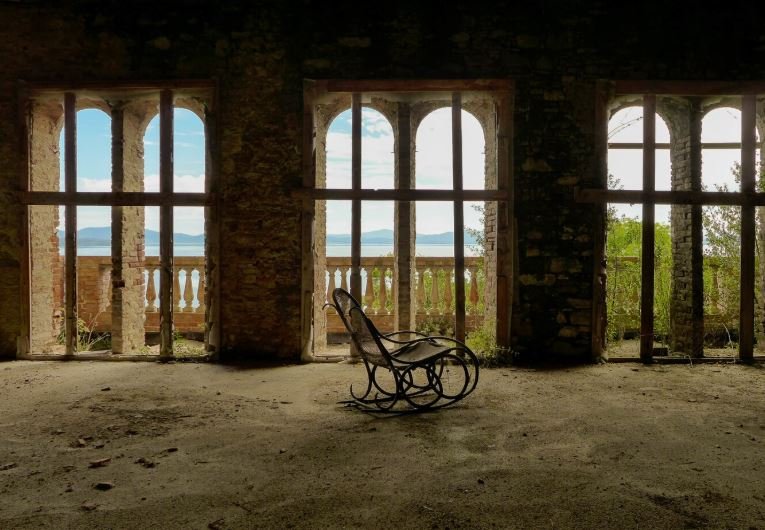
An abandoned house can tell a story without anyone saying a word. Peeling paint, broken windows, dusty furniture, and overgrown gardens often reveal signs of a life that once filled the building with activity. What was once a place of comfort and happiness may eventually become a forgotten property, leaving behind questions about the people who lived there and the reasons they left.
Across towns and rural communities, abandoned houses continue to attract the attention of explorers, photographers, historians, and property enthusiasts. Some buildings have been empty for only a few years, while others have stood untouched for generations. Their unusual appearance and uncertain histories make them fascinating subjects for anyone interested in forgotten places.
But what can really be discovered inside an abandoned house, and why do some properties remain empty for so long?
The First Impression of a Forgotten Home
The outside of an abandoned house often provides the first clues about its condition. A damaged roof, cracked walls, broken doors, and plants growing through the driveway may suggest that nobody has maintained the property for years.
As time passes, weather gradually changes the building. Rainwater can damage ceilings, sunlight can fade wallpaper, and temperature changes can cause wood to expand and contract. If windows are broken, wind and moisture may enter the rooms, accelerating the deterioration.
The garden may also become almost unrecognizable. Grass grows beyond its original boundaries, tree branches spread across walkways, and climbing plants can cover fences or walls.
Although these details may make a house appear mysterious, they usually reflect the ordinary effects of neglect rather than anything supernatural.
Rooms That Preserve Pieces of the Past
Inside an abandoned property, some rooms may still contain objects left behind by previous occupants. Old cabinets, curtains, picture frames, books, and household tools can provide clues about how the home was used.
A kitchen might contain outdated appliances, while a bedroom could still have a wardrobe or a damaged bed frame. In older buildings, original tiles, wooden floors, decorative ceilings, and handmade furniture may reveal the architectural style of the period in which the house was built.
These objects can create a strong impression that the residents left unexpectedly. However, there may be a simple explanation. Families sometimes move in a hurry, leave unwanted belongings behind, or lack the resources to clear a property completely.
Other houses are gradually emptied after their owners pass away or move into smaller homes. Without regular maintenance, even an ordinary residence can eventually look as though time has stopped inside it.
Why Do Houses Become Abandoned?
There is rarely one explanation for every abandoned house. Different properties become vacant for different reasons, depending on their ownership, location, and financial circumstances.
Financial difficulties: Maintaining a house can become expensive, especially when major repairs are required. If the owner cannot afford the work, the property may remain empty.
Inheritance disputes: When a property passes to several family members, disagreements over ownership or selling arrangements can delay decisions for years.
Relocation: People may move to another city or country for employment, education, or family reasons. Sometimes their former homes remain unsold.
Structural problems: Serious damage to foundations, roofs, or walls can make a house unsafe to occupy. Repairs may cost more than the property is worth.
Changing communities: When industries close or residents move away, entire streets and neighborhoods can lose population. Houses that once had families living in them may eventually stand empty.
Legal complications: Unclear ownership records, unpaid taxes, or court proceedings can make it difficult to sell or renovate a property.
Understanding these possibilities helps explain why some abandoned houses remain untouched even when they appear to have considerable value.
The Hidden Dangers Inside Old Buildings
An abandoned house may look like an interesting place to explore, but entering one without permission or proper safety precautions can be dangerous.
Years without maintenance can weaken floors, staircases, balconies, and ceilings. A surface that appears solid may collapse under someone’s weight. Broken glass, exposed nails, damaged electrical wiring, and unstable walls can also cause injuries.
Older buildings may contain hazardous materials, mold, animal nests, or contaminated water. In some regions, historic properties may also contain asbestos or lead-based paint.
There may be legal risks as well. An empty-looking property is not necessarily ownerless. Entering private land without permission can result in legal consequences.
Anyone interested in documenting an abandoned property should obtain the owner’s permission and arrange a professional assessment when necessary. Photographs taken from a public place or through an authorized visit can reveal a great deal without putting anyone at risk.
Can an Abandoned House Become a Beautiful Home Again?
One of the most interesting aspects of abandoned properties is their potential for restoration. A building that looks neglected today may become a comfortable home, guesthouse, studio, or small business after careful renovation.
The first step is usually a detailed inspection. Professionals may need to examine the foundation, roof, drainage, plumbing, electrical systems, and overall structural condition.
After that, the owner can estimate the cost of repairs and decide which features are worth preserving. Original wooden doors, decorative windows, stone walls, and traditional architectural details may give an older property a distinctive character.
However, renovation is not always financially practical. A house with serious structural damage may require extensive work, and hidden problems can increase the budget considerably.
Before purchasing an abandoned property, buyers should investigate its legal status, confirm ownership, check for outstanding obligations, and obtain realistic repair estimates. A low purchase price does not necessarily mean the property will be inexpensive to restore.
The Stories Behind Forgotten Belongings
Personal belongings are often what make abandoned houses particularly interesting to photographers and historians. A collection of old photographs, handwritten letters, books, or everyday objects can offer glimpses into the lives of former residents.
Nevertheless, objects alone rarely tell the complete story.
A photograph does not explain why a family moved away, and an old letter may not reveal what happened afterward. Without reliable historical records or information from people connected to the property, many questions may remain unanswered.
It is important to respect the privacy of former occupants and their families. Personal documents should not be published or used to identify individuals without appropriate permission.
Sometimes the most meaningful discovery is not an extraordinary secret but a small detail that helps explain how people once lived. A child’s drawing, a carefully maintained garden, or a collection of well-used tools can make an ordinary home feel connected to the past.
Preserving the History of Abandoned Properties
Abandoned buildings can be valuable parts of local history. They may reflect traditional construction methods, earlier industries, family histories, or changes in a community’s economy.
When a historically significant property is identified, documenting its condition can help preserve information before further deterioration occurs.
Local historians, preservation groups, architects, and property owners may work together to research a building’s background. Old maps, public records, historical photographs, and interviews with former residents can help establish a more accurate account of its past.
Not every abandoned house qualifies as a historic landmark, and not every building can be saved. However, careful documentation can still preserve details that might otherwise disappear.
Restoration projects can also give forgotten properties a new purpose, particularly when they are financially viable and their original architectural features can be protected.
Conclusion
An abandoned house is more than an empty building. It may reflect financial hardship, family changes, migration, legal complications, or the gradual decline of a neighborhood. Its damaged walls and forgotten belongings can offer clues about the past, but the real story often requires research rather than imagination.
Some abandoned homes can be restored and given a new life, while others may be too damaged or costly to save. In either case, they remind us that buildings require care and that communities change over time.
The next time you see an old house standing quietly behind overgrown trees, remember that its appearance may hide a history worth understanding. Just be sure to respect the property, protect your safety, and rely on verified information when investigating its past.
Frequently Asked Questions (FAQs)
1. Why do some houses remain abandoned for decades?
Houses may remain abandoned because of inheritance disputes, unclear ownership, expensive repairs, financial problems, legal complications, or a lack of interested buyers. In some cases, the owners cannot be located or the property is involved in lengthy legal proceedings.
2. What can you find inside an abandoned house?
Depending on its history and condition, an abandoned house may contain old furniture, photographs, books, household equipment, architectural features, and personal belongings. Many properties, however, are completely empty or have deteriorated too much to preserve their contents.
3. Is it safe to explore an abandoned house?
Not necessarily. Unstable floors, collapsing ceilings, broken glass, mold, exposed wiring, and hazardous materials can make abandoned buildings dangerous. Always obtain permission before entering private property and avoid entering structures that have not been assessed for safety.
4. Can you buy an abandoned house?
Yes, some abandoned properties are available for purchase through their legal owners, estate sales, or authorized property auctions. Buyers should verify ownership, investigate legal restrictions, inspect the building, and estimate renovation costs before proceeding.
5. How much does it cost to renovate an abandoned house?
The cost varies significantly depending on the property’s location, size, structural condition, materials, and local labor rates. Cosmetic improvements may be relatively affordable, while foundation repairs, roof replacement, and new electrical or plumbing systems can make a renovation expensive.
6. Why are abandoned houses popular on social media?
They attract attention because of their unusual appearance, historical details, renovation potential, and the questions surrounding their past. Photographs and videos can make forgotten properties interesting to audiences who enjoy architecture, history, and real-life discoveries.
7. How can I find out the history of an abandoned property?
You can begin by researching public property records, historical maps, newspaper archives, building records, and local historical societies. Speaking with former residents or nearby community members may also provide useful information, although their accounts should be verified whenever possible.
8. Can an abandoned house be restored instead of demolished?
Yes, if the building is structurally suitable and the renovation is financially practical. A professional inspection can help determine whether restoration is possible and identify the repairs required to make the property safe and usable.